
TMS Therapy in Louisville, KY
TMS (transcranial magnetic stimulation) is a non-invasive depression treatment that uses focused magnetic pulses to stimulate the mood-regulating regions of the brain. It is FDA-cleared for major depressive disorder and is generally used by adults who have not gotten adequate relief from antidepressant medication. You stay awake, and there is no sedation.
NeuroStar TMS delivered in our Newburg Road office. We respond within one business day.
What TMS is
Transcranial magnetic stimulation uses a magnetic coil placed against the scalp to deliver focused pulses to the regions of the brain involved in regulating mood. It is non-invasive — nothing is implanted and nothing enters the body.
TMS received FDA clearance for major depression in 2008. You stay awake for the entire session. There is no anesthesia and no sedation.
Who it is for
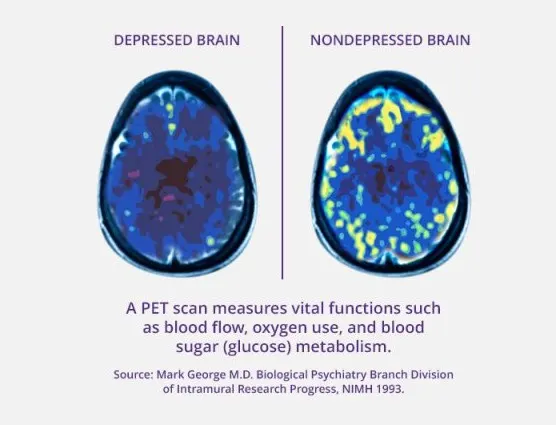
TMS is intended for adults with major depressive disorder who have not gotten adequate relief from antidepressant medication.
It is typically considered when medications have not worked well enough, or when side effects have made them difficult to tolerate. Your provider reviews your history with you and tells you plainly whether it is a reasonable next step.
Your TMS journey
- 1
Consultation and eligibility review
You meet with an LBHS provider who reviews your history, your medication trials, and whether TMS is an appropriate option for you.
- 2
Insurance authorization
We handle the prior authorization paperwork with your plan and tell you what your benefits cover before you begin.
- 3
Mapping session
At your first visit we locate the treatment area and set your individual dose. This session is longer than the ones that follow.
- 4
Daily treatment course
You come in five days a week for four to six weeks. Each session is short and you leave on your own.
- 5
Continuation with your LBHS provider
When your course ends, the same practice keeps managing your medication and therapy. You are not handed off anywhere.
What a session is like
You sit reclined in a treatment chair while the coil is positioned. Sessions run roughly 19 to 37 minutes depending on your protocol.
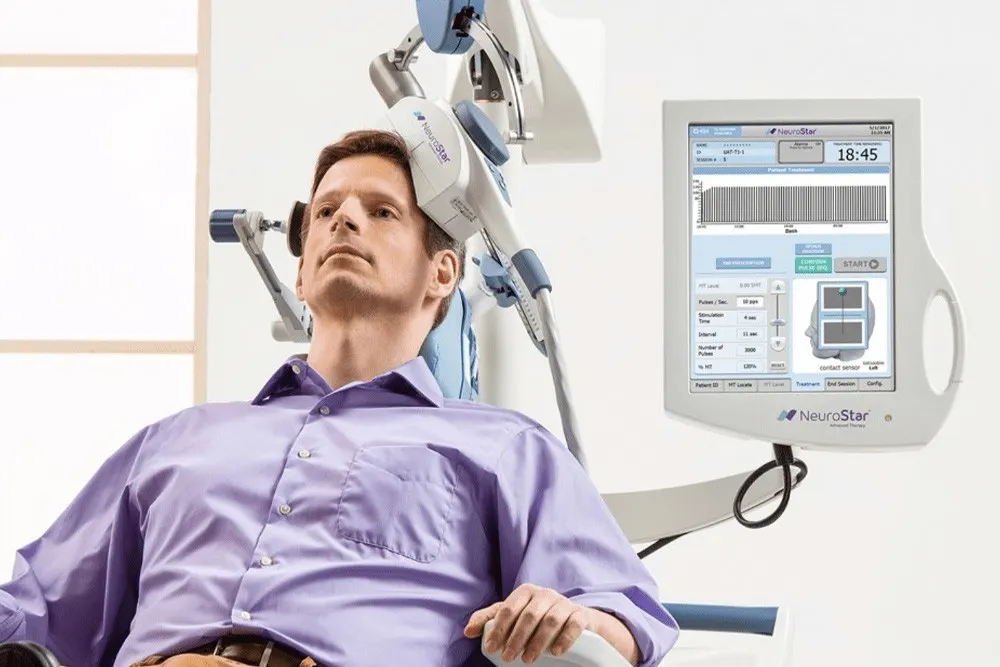
Most people notice a tapping sensation on the scalp and a clicking sound while the pulses are delivered. When the session ends you drive yourself home and return to normal activities immediately — no recovery time.
Treatment schedule
A standard course is five days per week over four to six weeks. We schedule your sessions at a consistent time so the course fits around work or school, and we tell you up front what the full commitment looks like.
Insurance and TMS in Kentucky
TMS is covered by most plans, including TRICARE and Medicare, when plan criteria are met. We handle the prior authorization for you. We do not promise coverage — we verify your benefits and tell you exactly what to expect before you start.
Care that does not end when TMS does
We are a full psychiatric practice, not a TMS-only clinic. The same team manages your medication and therapy before, during, and after your TMS course.
Many TMS centers in Louisville treat only TMS and send you back elsewhere for ongoing care. Here, your psychiatrist, nurse practitioner, and therapist are down the hall from your treatment chair, and they are still your team when the course ends.
- One record, one team, one practice
- Medication managed by the people treating you
- Therapy available alongside TMS
- Continuing care after your final session
TMS questions, answered
- Is TMS covered by insurance in Kentucky?
- TMS is covered by most plans, including TRICARE and Medicare, when specific criteria are met. Coverage depends on your individual plan, so we verify your benefits and handle prior authorization, then tell you what to expect before your first session.
- How long does TMS treatment take?
- A standard course runs five days per week for four to six weeks. Individual sessions typically last 19 to 37 minutes depending on the protocol your provider selects.
- Does TMS hurt?
- Most people describe a tapping sensation on the scalp along with a clicking sound during the pulses. It is usually most noticeable in the first few sessions and eases as you get used to it. Tell your technician if anything is uncomfortable — the settings can be adjusted.
- Can I drive myself to and from treatment?
- Yes. There is no anesthesia or sedation involved, so you can drive yourself home and return to your normal activities right after a session.
- Will I have to stop my medication?
- Usually not. TMS is often used alongside medication. Because we are a full psychiatric practice, your prescribing provider decides on any medication changes with you — nothing changes without that conversation.
- What happens after my TMS course ends?
- You continue with your existing LBHS psychiatrist, nurse practitioner, or therapist. We keep tracking your symptoms and adjust your ongoing care plan as needed.
Request a TMS consultation
Tell us how to reach you and we will review whether TMS is a fit, check your benefits, and explain the next step. We respond within one business day.
New to the practice? See what to expect as a new patient.